
inRovate WHITE PAPER
FROM IDEAS TO A NEW ECONOMIC ECOSYSTEM
The inRovate White Paper presents the principles, economic logic, technological architecture and institutional framework behind a new model designed to transform ideas into real-world innovation.
A Framework for Turning Potential Into Progress
The White Paper examines one fundamental question: why do so many valuable ideas fail to become products, companies and economic value — and what kind of ecosystem could change that?
It brings together innovation, intellectual property, investment, technology, collaboration and physical infrastructure into a single conceptual framework.
Innovation
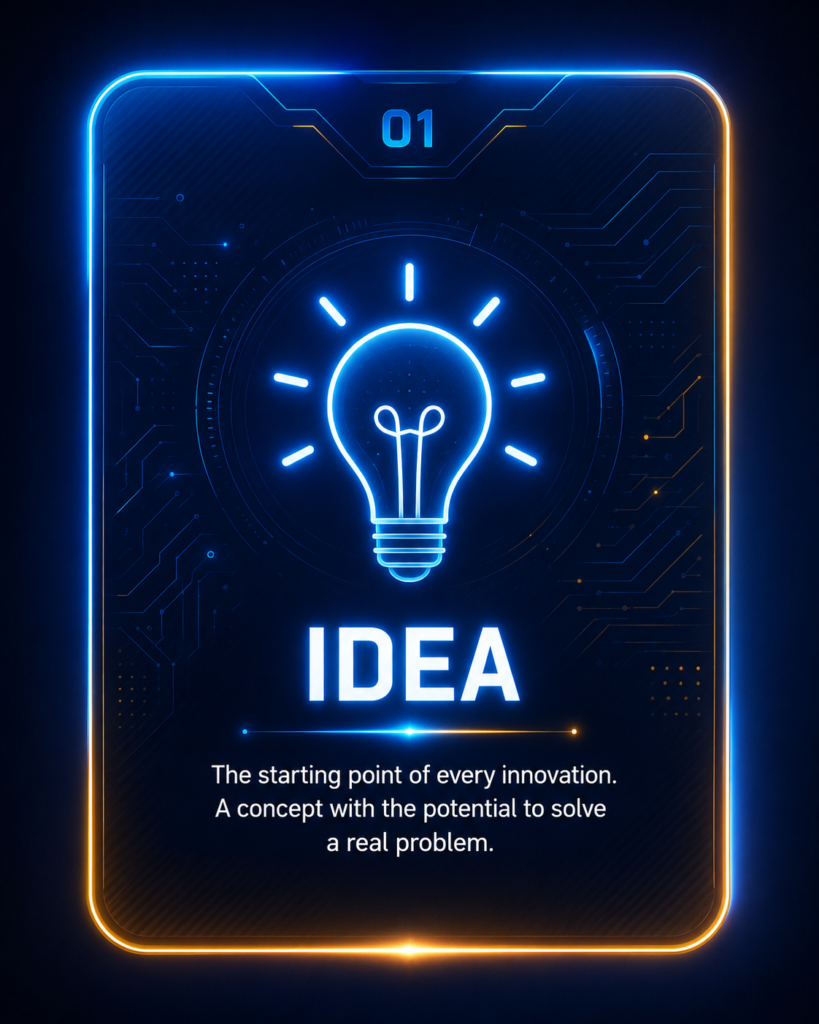
How ideas move from concept to implementation.
Intellectual Property
How knowledge becomes a measurable economic asset.
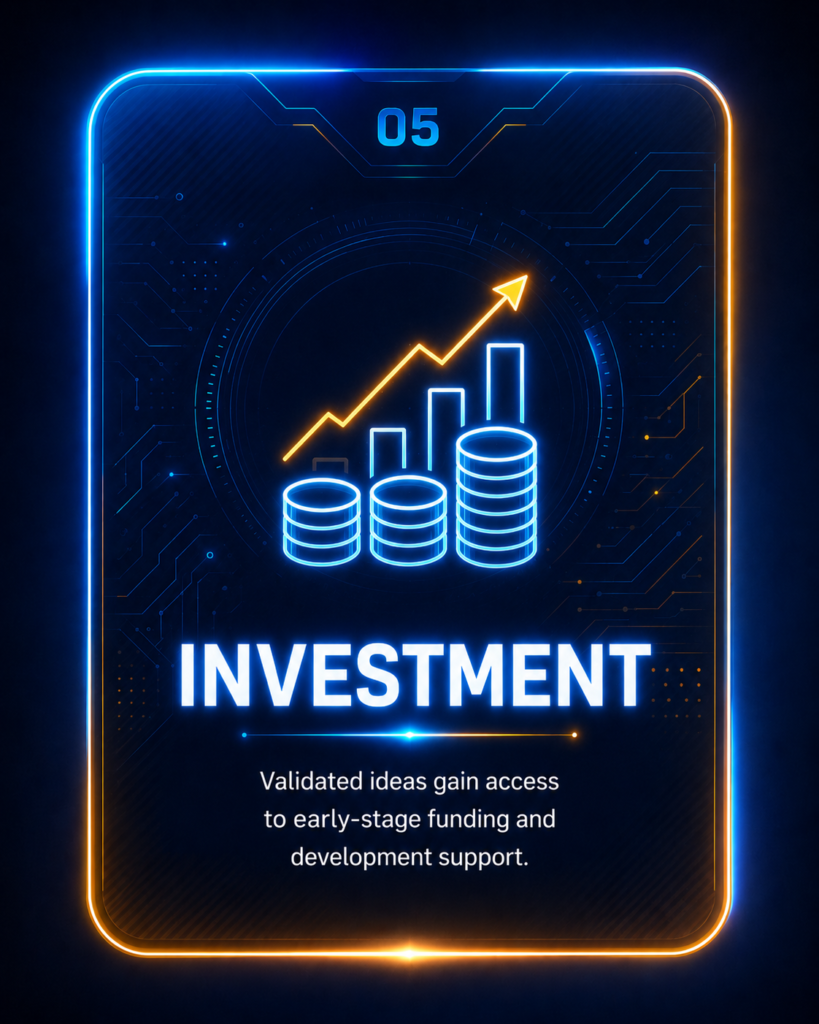
Investment
How capital can be connected to progressively validated innovation.
Technology
The digital infrastructure required to coordinate the ecosystem.
Collaboration
How people, institutions and capital can work inside one system.
Infrastructure
Why innovation also needs laboratories, universities, production and physical space.
The Architecture of inRovate
A structured journey from the limitations of today's innovation economy to the economic, technological, operational and physical architecture of the inRovate ecosystem.
PART I
Foundations of the Problem
01 The Problem of the World
- 1.1 Introduction
- 1.2 The Economy of Ideas
- 1.3 Innovation vs. Commercialization
- 1.4 The Cost of Abandoned Inventions
- 1.5 Global Economic Impact
- 1.6 Conclusions
02 The Economy of Intellectual Property
- 2.1 Evolution of the Global Economy
- 2.2 Tangible vs. Intangible Assets
- 2.3 Intellectual Property as an Asset
- 2.4 Patents
- 2.5 Know-how
- 2.6 Trademarks
- 2.7 Intellectual Rights
- 2.8 IP Valuation
- 2.9 Economic Value
- 2.10 Conclusions
03 The Limits of the Current System
- 3.1 Grants
- 3.2 Venture Capital
- 3.3 Business Angels
- 3.4 Crowdfunding
- 3.5 Stock Markets
- 3.6 Incubators
- 3.7 Accelerators
- 3.8 Technology Transfer
- 3.9 Why the Current System Does Not Fully Solve the Problem
- 3.10 Conclusions
PART II
The Birth of inRovate
04 The Philosophy of inRovate
- 4.1 Why inRovate Was Created
- 4.2 Vision
- 4.3 Mission
- 4.4 Values
- 4.5 Economic Principles
- 4.6 Moral Principles
- 4.7 Technological Principles
- 4.8 Investment Principles
- 4.9 Principles of Collaboration
- 4.10 The Collaborative Economy
05 What Is inRovate?
- 5.1 Definition
- 5.2 The Ecosystem
- 5.3 Components
- 5.4 General Flow
- 5.5 The Actors
- 5.6 The Role of Each Participant
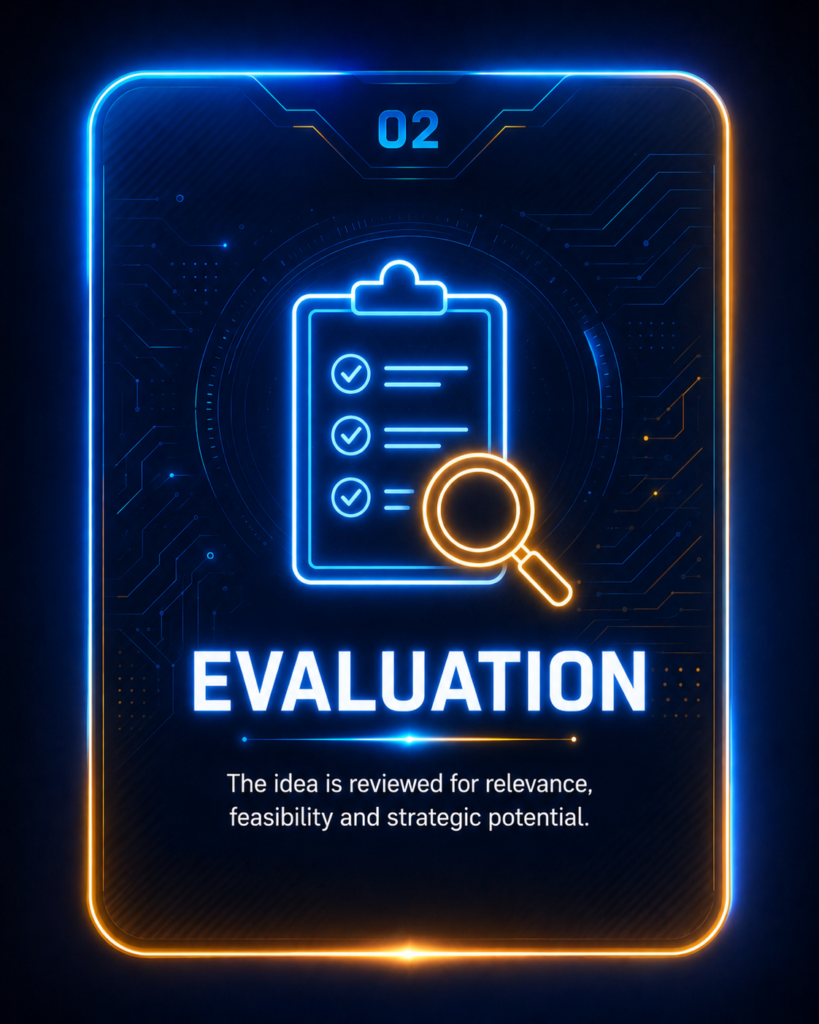
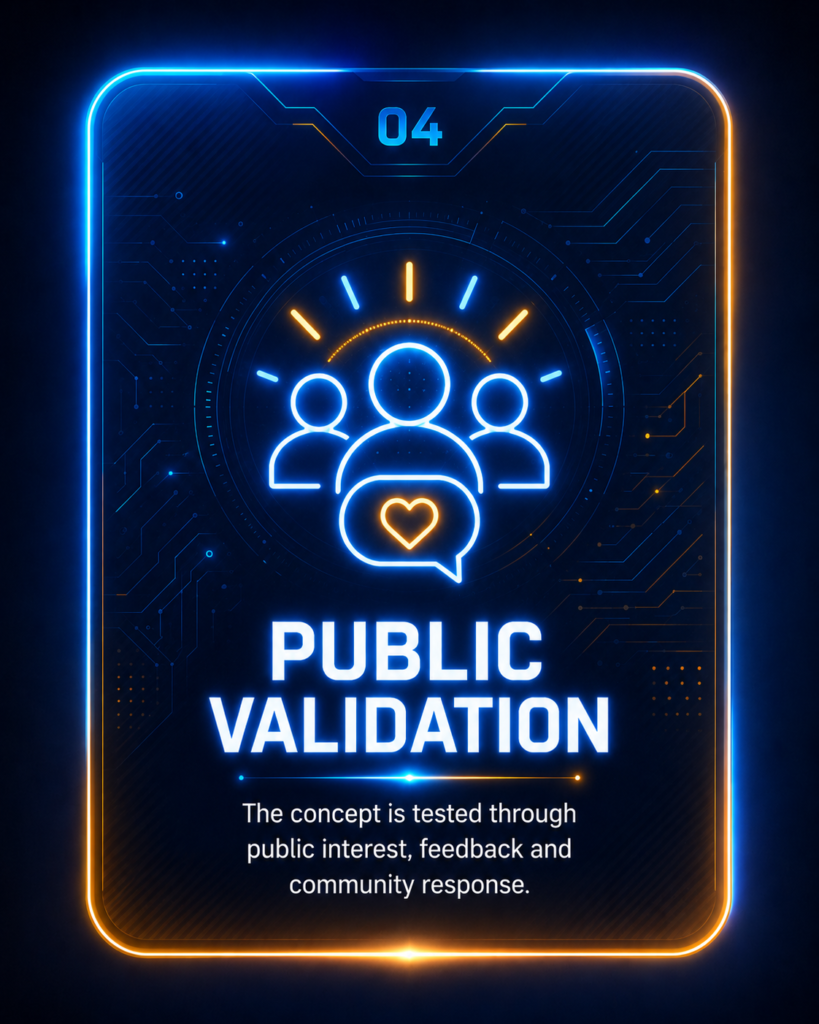
- 5.7 The Life Cycle of an Invention
- 5.8 Advantages
- 5.9 Limitations
PART III
Ecosystem Architecture
06 The inRovate Engine
- Inventor
- inRovate
- Funding
- Development
- Marketing
- Sales
- Profit
- Distribution
07 The Inventor
- 7.1 Registration
- 7.2 Identification
- 7.3 Verification
- 7.4 Intellectual Property
- 7.5 Confidentiality
- 7.6 Collaboration
- 7.7 Teams
- 7.8 Communication
08 Project Analysis
- Technical Evaluation
- Legal Evaluation
- Economic Evaluation
- Commercial Evaluation
- AI Evaluation
- Risk Evaluation
- Scoring
- Classification
09 Intellectual Property
- Patents
- Licenses
- Know-how
- Trademarks
- Rights
- Protection
PART IV
Economic Model
10 The inRovate Economy
- How Value Circulates
- How Capital Circulates
- How Rights Circulate
- How Profit Circulates
- How Information Circulates
11 inRovate Certificate
- Definition
- Issuance
- Structure
- Rights
- Limitations
- Value
- Trading
- Examples
- Studies
- Simulations
- Mathematics
- Taxation
12 Funding
- Opening the Funding Session
- How People Invest
- Cryptocurrency
- Card Payments
- Wallet
- Distribution of Certificates
- Closing the Funding Session
13 inRovate Stock Exchange
- Secondary Market
- Price
- Liquidity
- Demand
- Supply
- Negotiation
- Transfer of Rights
- Transfer of Ownership
14 Marketplace
- Sales
- Distribution
- Orders
- Logistics
- Licensing
PART V
Operational Engine
15 Artificial Intelligence
- How AI Intervenes
- Analysis
- Translations
- Classifications
- Assistance
- Marketing
16 Voting
- Community
- Reputation
- Rankings
- Prioritization
17 inRovate Teams
- Legal
- Marketing
- Economic
- Financial
- Technical
- AI
- Production
- Procurement
- Audit
- Compliance
18 inRovate Labs
- Laboratories
- Prototyping
- Testing
- Certifications
PART VI
Governance
PART VII
inRovate City
PART VIII
The Future
A–H
Appendices

Living Document
The inRovate White Paper is a living document. As the ecosystem evolves, its economic, technological and institutional architecture will continue to be refined.
Current Edition: 2026
Language: English
Status: Public Working Draft
Version 1.0 — 2026